Tracing Augmented Reality Overlays Impacting Traditional Reel Mechanics in Handheld Wagering Software
Kirjoittanut Ines Neumann · 22.10.2026
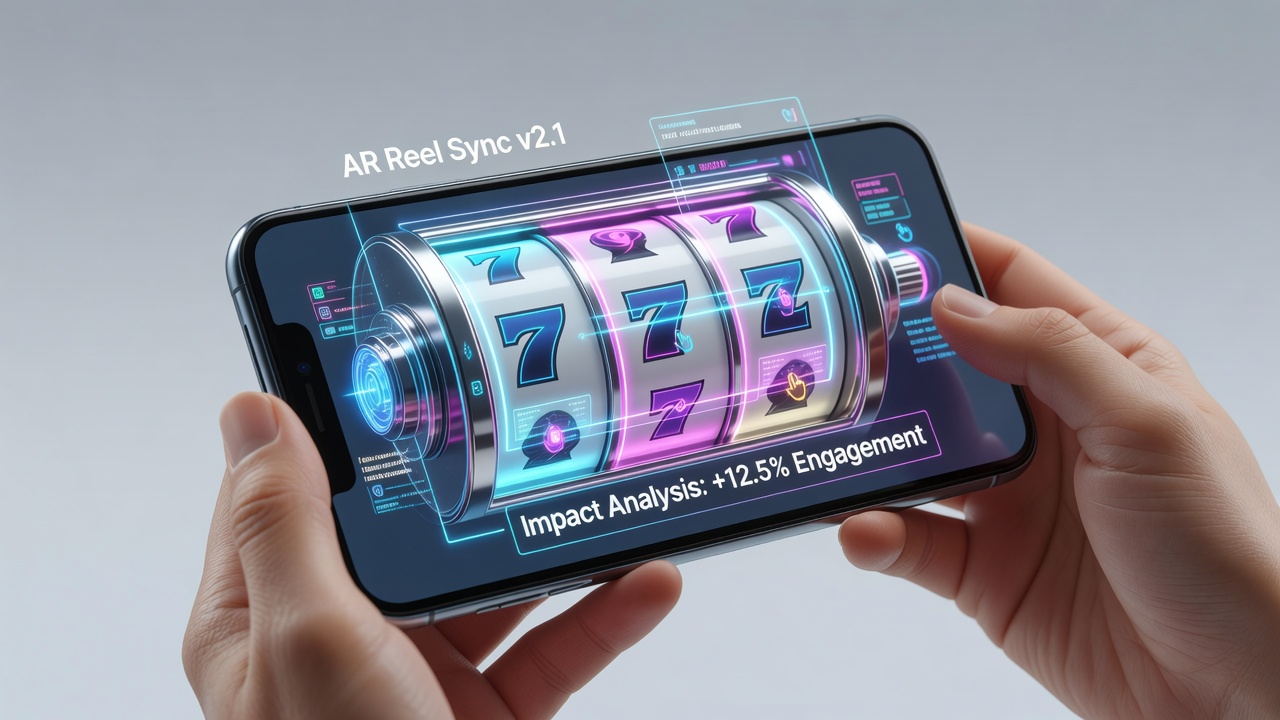
Tracing Augmented Reality Overlays Impacting Traditional Reel Mechanics in Handheld Wagering Software
Augmented reality overlays have started to alter how traditional reel mechanics function inside handheld wagering software, and developers continue to integrate digital layers that sit directly over spinning symbols. These additions change the visual feedback players receive while the underlying random number generators stay intact, which means core payout structures remain governed by the same algorithms used in earlier mobile titles. Research from industry reports shows that AR elements often highlight winning combinations in real time, yet the reels themselves still stop according to predetermined probabilities.
Mechanics of AR Integration with Reels
Developers map three-dimensional models onto the two-dimensional reel grid so that symbols appear to pop forward or interact with surrounding space when a device camera detects player movement. This process requires precise synchronization between the phone's gyroscope data and the game's animation engine, and any lag can disrupt the illusion of depth. Studies indicate that successful overlays maintain frame rates above sixty per second to prevent visual tearing, and companies achieve this by offloading rendering tasks to dedicated graphics processors found in newer smartphone models.
Traditional reel strips, once simple image sequences, now carry additional metadata that triggers AR events at specific positions. For instance, a cherry symbol might expand into a floating cluster when the reel halts, and that expansion occurs only after the random outcome has already been determined. Observers note that such enhancements do not modify the mathematical return-to-player percentages, but they do shift how players perceive sequence timing during sessions.
Effects on Player Interaction Patterns
Data collected from app analytics platforms reveals that sessions featuring AR overlays tend to last longer on average because users pause to examine animated details before initiating the next spin. The overlays often provide contextual information such as near-miss indicators or bonus path previews, and these cues appear without altering the certified randomness of each outcome. Figures from device sensor studies show increased tilt and rotation inputs when players attempt to manipulate the virtual depth of the reels, although the software ignores those gestures for actual result generation.
One development team documented how AR layers could mask reel positions briefly during transition animations, and regulators required additional testing to confirm that hidden symbols never influence final payouts. This verification step involves running thousands of simulated spins while recording both the base reel state and the rendered AR view to ensure consistency across both layers.
Technical Challenges and Hardware Demands
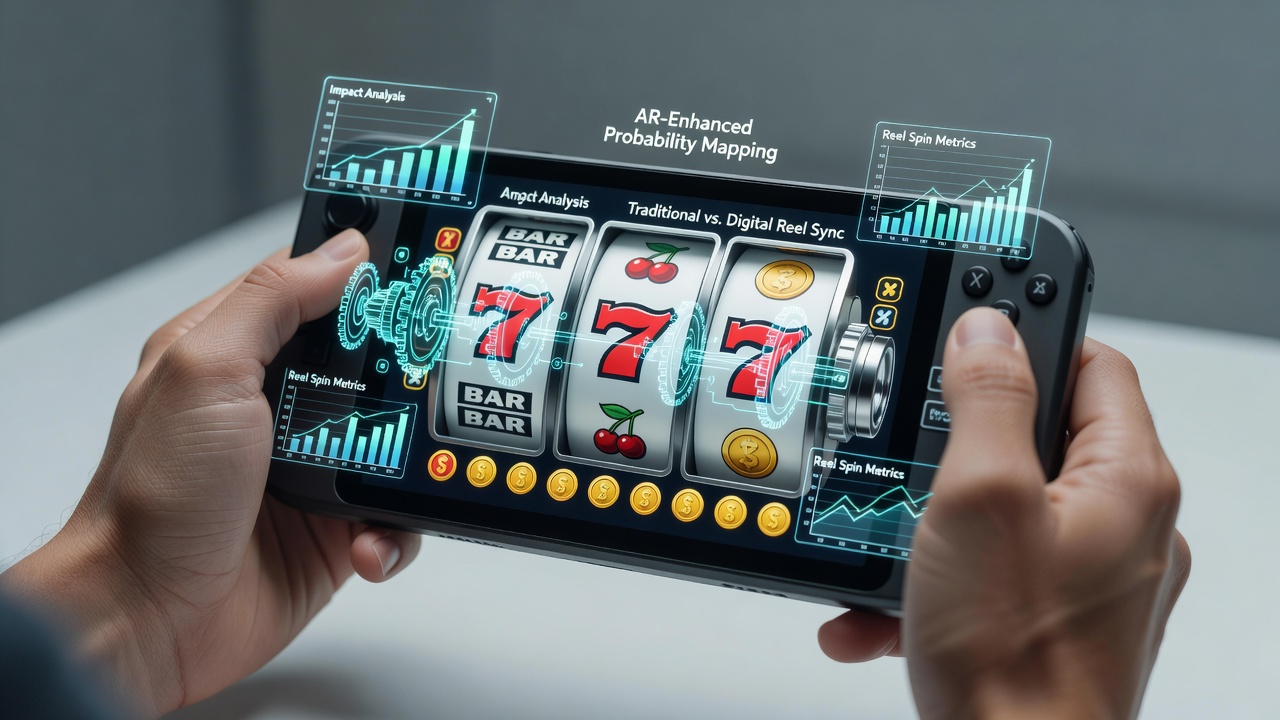
Handheld devices vary widely in processing power, and AR overlays place extra load on both CPU and GPU resources while also consuming battery life at higher rates than standard slot interfaces. Software engineers address this by offering optional AR modes that users can toggle off, and analytics data indicates that a significant portion of players choose teh lighter version during extended play periods. Compatibility testing across multiple operating systems becomes necessary because iOS and Android handle camera access and sensor fusion differently, which can lead to inconsistent overlay positioning if calibration routines are skipped.
Network conditions further complicate matters because some AR features pull supplementary visual assets from remote servers during live sessions. When connections drop, the software falls back to preloaded two-dimensional graphics so that reel mechanics continue uninterrupted, and this fallback mechanism prevents any interruption to certified game logic.
Regulatory Oversight and Standards
Authorities in several jurisdictions have begun to examine how AR modifications affect game certification processes, and testing labs now include visual verification steps that capture both the base reel output and the superimposed digital elements. According to information published by the Nevada Gaming Control Board, updated technical standards released in late 2025 require explicit documentation of any AR triggers that coincide with reel stops. Similar guidelines from Canadian provincial regulators emphasize that overlays must never convey misleading information about probability, and compliance audits check for this through frame-by-frame review of recorded gameplay footage.
Academic researchers at institutions focused on human-computer interaction have published findings on how AR affects decision-making speed during wagering, and their work highlights measurable differences in reaction times when depth cues are present versus absent. These studies rely on controlled laboratory setups that mirror real-world handheld conditions without exposing participants to actual financial stakes.
Developments Expected by October 2026
Industry roadmaps point toward deeper integration of spatial computing features in handheld wagering software by October 2026, with several studios already piloting prototypes that allow players to reposition virtual reels within their physical environment. Early demonstrations show that such repositioning does not change teh sequence of symbols, yet it introduces new variables around how players track multiple reels simultaneously. Trade associations tracking these trends report that hardware manufacturers are embedding more advanced depth sensors in upcoming phone models, which should reduce calibration errors that currently limit AR reliability in outdoor lighting conditions.
Conclusion
Augmented reality overlays continue to expand the visual language of handheld wagering software while preserving the foundational reel mechanics that determine outcomes. The separation between presentation layer and random generation engine remains a central requirement for regulatory approval, and ongoing technical refinements focus on delivering consistent experiences across diverse device capabilities. As October 2026 approaches, further standardization efforts will likely clarify how these digital enhancements fit within existing certification frameworks across multiple regions.