Integrating Biometric Feedback Mechanisms with Targeted Offers in Mobile-Based Table Gaming Platforms
Kirjoittanut Ines Neumann · 19.11.2026
Integrating Biometric Feedback Mechanisms with Targeted Offers in Mobile-Based Table Gaming Platforms
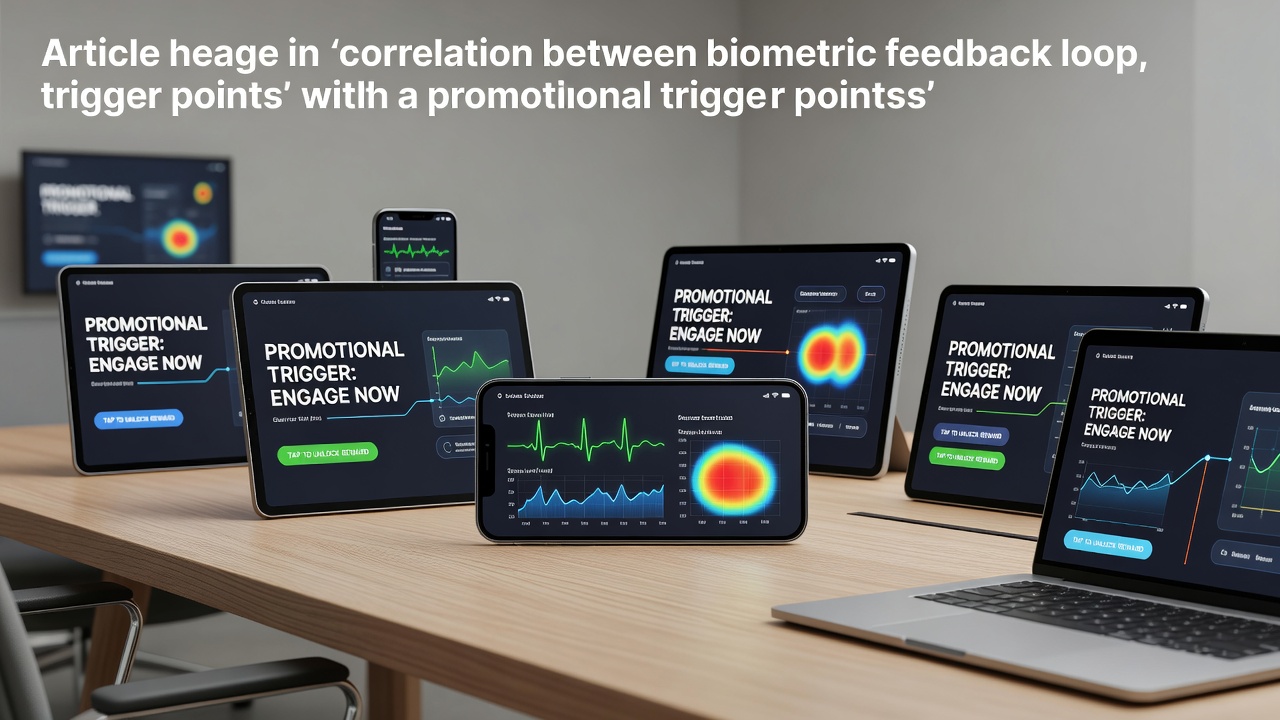
Smartphone sensors now capture heart rate variability, skin conductance, and eye movement patterns during table game sessions, and developers integrate these signals into feedback loops that adjust promotional timing. Data from device accelerometers and cameras feed algorithms that identify arousal spikes, after which the system evaluates whether a bonus or free spin offer might extend play. Researchers at academic institutions track these interactions to understand how physiological responses align with in-app purchase prompts across poker and blackjack environments.
Physiological Data Collection in Portable Table Games
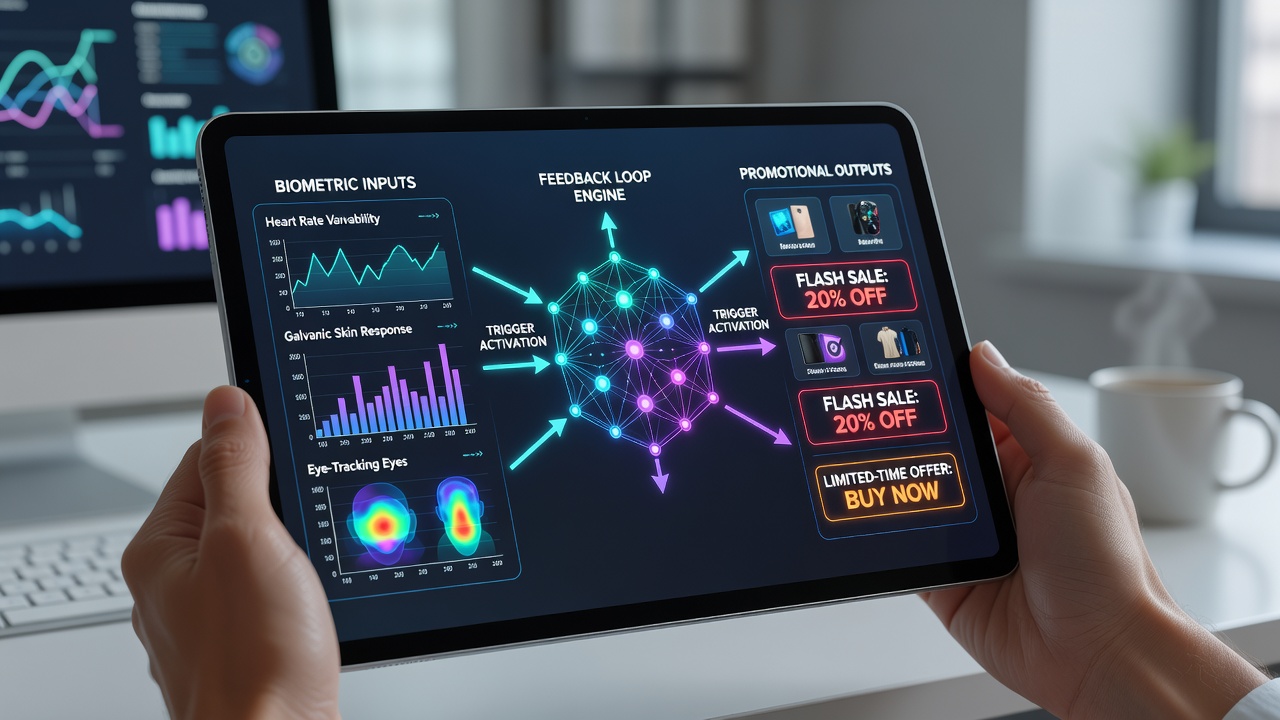
Modern handheld devices record biometric inputs through built-in components without requiring external hardware, and players grant permissions during app installation that enable continuous monitoring. Studies from the Australian Gambling Research Centre indicate that heart rate increases of 12 to 18 percent often precede higher bet sizes in digital blackjack, while skin conductance rises correlate with extended session lengths in mobile poker rooms. These measurements create closed loops where the software logs the response, compares it against historical patterns, and prepares a promotional trigger if predefined thresholds appear.
Eye-tracking via front-facing cameras detects focus duration on specific table elements, and developers combine this information with session duration metrics. One analysis released in early 2025 showed that prolonged gaze on betting circles preceded 67 percent of bonus redemptions in tested applications, prompting operators to test timed offers that activate within 90 seconds of detected fixation changes.
Promotional Trigger Points and Timing Algorithms
Promotional systems activate based on real-time biometric thresholds rather than fixed schedules, and operators adjust these parameters according to aggregated user data. When a feedback loop registers elevated arousal alongside declining win rates, the algorithm may surface a deposit match or cashback offer to retain engagement. Figures from Canadian regulatory filings reveal that such targeted interventions increased average session time by 22 minutes in participating platforms during the first half of 2025.
November 2026 will mark the scheduled rollout of updated sensor integration standards in several jurisdictions, and compliance teams currently prepare documentation that outlines how biometric loops must separate promotional decisions from direct gameplay mechanics. These standards aim to ensure that trigger points remain transparent in user agreements while allowing operators to refine offer delivery based on physiological signals.
Correlation Patterns Across Device Ecosystems
Cross-device studies compare biometric responses on different smartphone models to determine whether hardware variations affect trigger accuracy, and initial results suggest that newer processors with improved camera sampling rates produce more reliable arousal detection. Operators segment data by operating system to calibrate promotional timing, because iOS and Android sensor APIs return slightly different latency values during live table sessions.
Academic papers from the University of Sydney document cases where combined heart rate and touch-pressure data predicted bonus acceptance rates with 81 percent accuracy in controlled trials, while single-metric models reached only 64 percent. These findings encourage developers to layer multiple signals before activating any offer, reducing the chance that isolated fluctuations generate unwanted promotions.
Regulatory and Technical Considerations
Government agencies in multiple regions require operators to maintain logs that demonstrate how biometric inputs influence promotional decisions, and audits examine whether the feedback loops respect data minimization principles. Industry reports from the Responsible Gambling Council note that platforms using these correlations must provide users with clear opt-out pathways that disable sensor-based targeting without affecting core game access.
Technical teams implement encryption for biometric streams to prevent unauthorized access, and testing protocols verify that promotional triggers do not activate when users have withheld consent. Data from these systems also feeds broader research initiatives that examine long-term play patterns across portable table environments.
Conclusion
Biometric feedback loops now shape how promotional offers appear during smartphone table game sessions, and ongoing technical refinements continue to align physiological signals with incentive delivery. As November 2026 approaches, updated standards will further define acceptable correlation methods, while researchers maintain focus on accuracy and user transparency across device platforms.