Geofencing Tactics Reshaping Regional Bonus Delivery in Smartphone-Based Poker and Slot Ecosystems
Kirjoittanut Eden Perry · 8.10.2026

Geofencing Tactics Reshaping Regional Bonus Delivery in Smartphone-Based Poker and Slot Ecosystems
Geofencing technology combines GPS, Wi-Fi, and cellular data to establish virtual boundaries that trigger location-specific actions within mobile applications, and this approach has gained traction in smartphone-based poker and slot ecosystems since its initial deployments around 2020. Operators now rely on these systems to segment bonus offers by jurisdiction, ensuring that users receive promotions aligned with local regulations while maintaining compliance across borders, and data from industry tracking services show adoption rates climbing steadily through 2025 and into October 2026.
Core Mechanics of Geofencing in Mobile Gaming Platforms
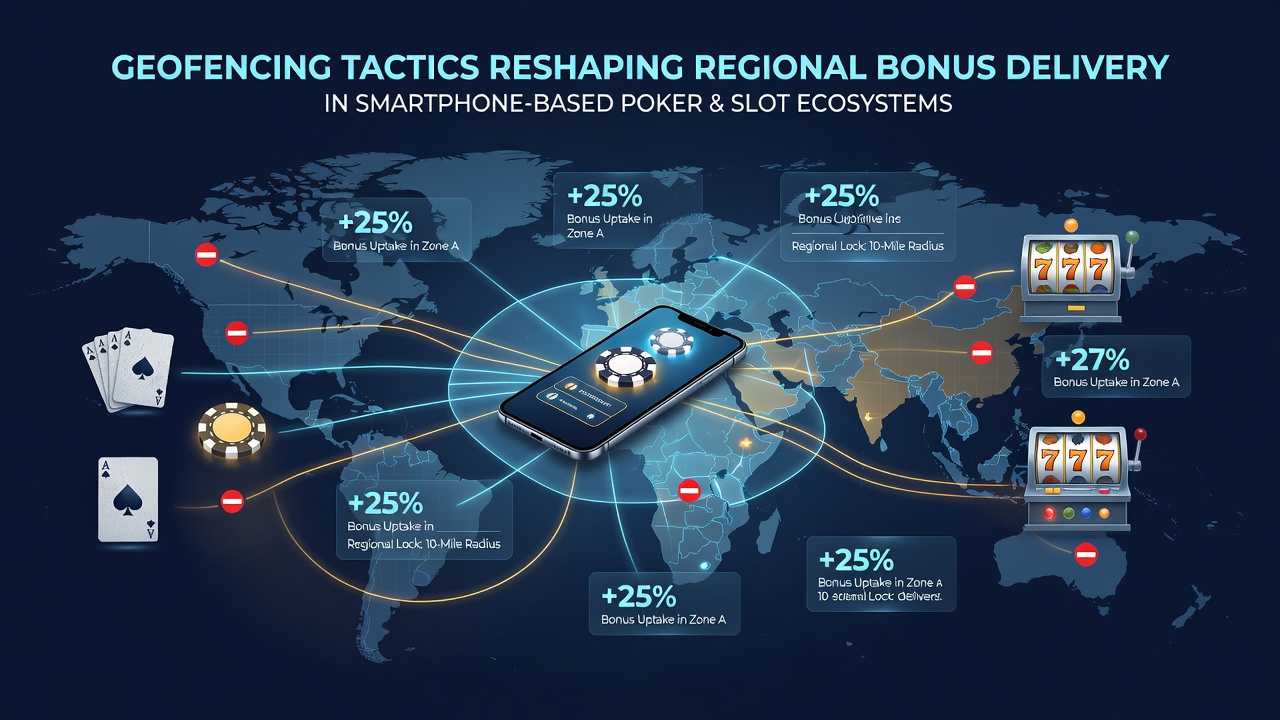
Smartphone applications detect user positions through a combination of satellite signals and network triangulation, then compare those coordinates against predefined geofences that correspond to state lines, municipal zones, or even specific venues, which allows platforms to activate or withhold bonuses such as deposit matches or free spins without manual intervention. Researchers at the International Gaming Institute have documented how these perimeters update in real time, with systems refreshing every few seconds to account for users moving between regions, and this precision reduces instances of unauthorized bonus claims that once plagued earlier location-blind systems.
Integration with app ecosystems means that poker tables and slot reels adjust their bonus pools dynamically once a device crosses a boundary, so players in one area might see loyalty rewards tied to local events while those nearby receive different incentives, and this segmentation draws from datasets compiled by regulatory bodies like the New Jersey Division of Gaming Enforcement that track compliance metrics across licensed operators.
Regional Bonus Customization Strategies
Platforms divide markets into micro-zones that reflect tax structures, player demographics, and seasonal tourism patterns, enabling operators to deliver targeted free-play credits or tournament entries that resonate with regional preferences, and reports from the Australian Communications and Media Authority indicate that such tactics increased session lengths by measurable margins in monitored jurisdictions during 2025. In practice, a user in a high-traffic urban corridor might receive time-limited slot bonuses linked to nearby events, whereas someone in a rural zone encounters poker-specific reload offers calibrated to lower average bet sizes, creating varied engagement loops without violating cross-border rules.
Updates implemented around October 2026 incorporated machine-learning refinements that predict boundary crossings minutes in advance, allowing preemptive bonus adjustments that prevent interruptions during live dealer sessions, and these enhancements build on earlier static geofence models by incorporating traffic and event data streams from third-party mapping services.
Effects on Poker and Slot User Patterns
Session data aggregated across multiple platforms reveal that location-triggered bonuses influence deposit timing and game selection, with poker players in certain states showing higher participation in regional leaderboards while slot users gravitate toward themed content available only within designated perimeters, and a 2025 analysis conducted by McGill University's research group on digital entertainment found correlations between geofence accuracy and reduced account abandonment rates. Operators adjust bonus structures quarterly to align with changing player densities, which means that during peak travel periods the system reallocates offers to capture transient users who cross multiple zones in a single day.
Device-level permissions play a central role because applications must secure ongoing location access to maintain bonus eligibility, leading developers to embed clear prompts that explain data usage in line with privacy frameworks from various oversight agencies, and this transparency has coincided with broader industry shifts toward granular consent models that let users toggle features without losing core gameplay access.
Regulatory and Technical Considerations
Compliance teams monitor geofence performance through audit logs that record every boundary interaction, supplying evidence to regulators such as the Malta Gaming Authority when questions arise about fair delivery of promotions, and these records help demonstrate that bonuses reach only intended recipients within licensed territories. Technical challenges include signal drift in dense urban environments or during international travel, yet refinements in hybrid positioning technologies have narrowed error margins to under 50 meters in most commercial implementations by October 2026.
Partnerships between app developers and mapping providers supply the underlying boundary data, which gets cross-checked against official regulatory maps to avoid overlaps or gaps that could expose operators to penalties, and this collaborative infrastructure supports expansion into new markets where local rules dictate precise bonus localization.
Conclusion
Geofencing continues to evolve as a foundational element in smartphone poker and slot operations by enabling precise regional bonus delivery that matches both regulatory requirements and user locations, with ongoing technical upgrades expected to further tighten accuracy and responsiveness in coming periods. Industry reports and academic examinations consistently track these developments, underscoring the role of location intelligence in sustaining compliant and segmented mobile gaming environments across multiple jurisdictions.