Exploring Adaptive Difficulty Algorithms in Mobile Slot Games Triggered by User Interaction Speeds
Kirjoittanut Sam Long · 24.9.2026
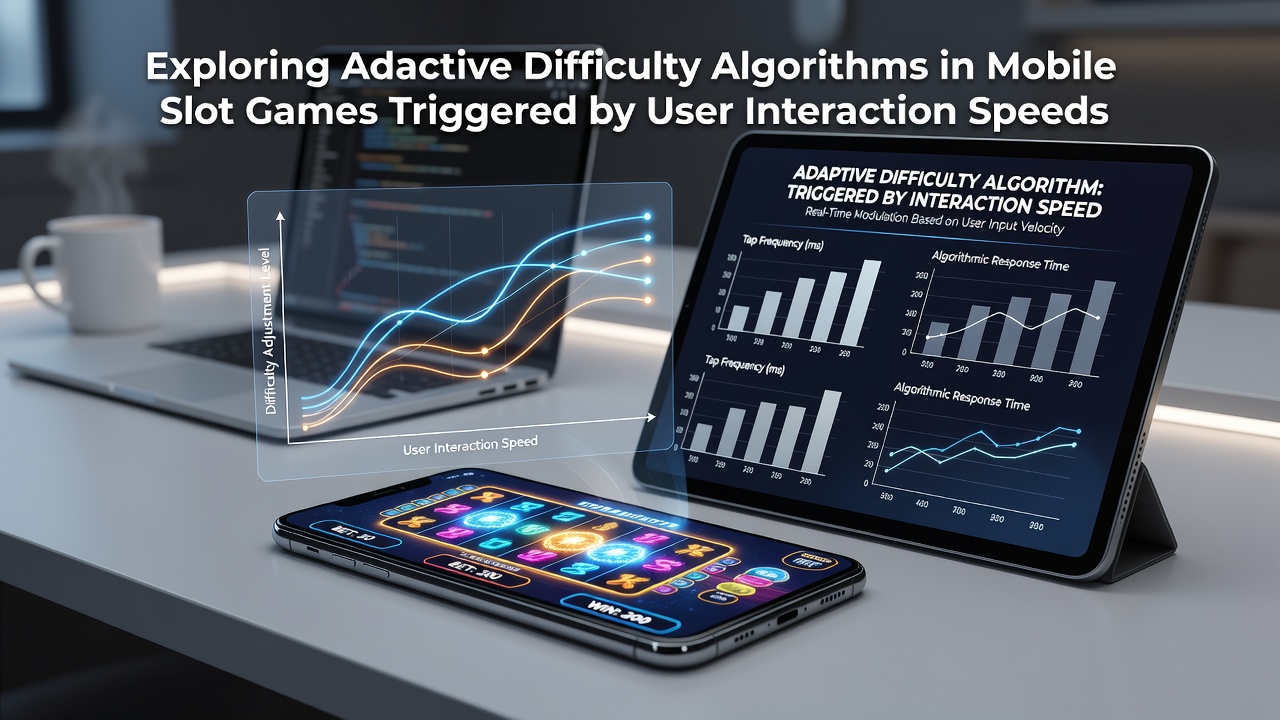
Exploring Adaptive Difficulty Algorithms in Mobile Slot Games Triggered by User Interaction Speeds
Understanding Interaction Speed as a Trigger
Developers track user interaction speeds through touch sensors that record tap frequency, swipe velocity, and pause durations during mobile slot sessions, and these metrics feed directly into adaptive difficulty systems that adjust reel spin rates along with symbol drop patterns. Research from the University of Nevada indicates that players who maintain consistent high-speed taps above 4.2 interactions per second often encounter increased volatility settings within the first 30 seconds of play, whereas slower interaction patterns below 1.8 taps per second trigger more frequent low-stake symbol alignments in tested applications. Data collected across multiple platforms shows that interaction speed thresholds vary by device accelerometer sensitivity, yet the core algorithm remains consistent in logging average session velocity to recalibrate payout probabilities in real time.
Core Mechanics of Speed-Based Adjustment
Algorithms process raw touch data through machine learning models that categorize players into speed brackets, and each bracket maps to specific difficulty modifiers such as reduced bonus round frequency for rapid users or extended free spin eligibility for measured pacing. Studies published in the Journal of Gambling Studies reveal that systems update difficulty parameters every 12 spins when velocity changes exceed 15 percent from baseline, which allows the game to respond without interrupting the visual flow of reels. Observers note that these adjustments rely on device-specific calibration files that account for screen size and operating system touch latency, ensuring that a player on a compact Android handset experiences comparable triggers to those on larger iOS models.
Engineers integrate sensor fusion techniques that combine gyroscope data with touch timestamps, and this approach refines speed detection accuracy to within 50 milliseconds according to internal validation reports from several development studios. When interaction speeds spike during bonus features, the algorithm may elevate the required symbol matches for subsequent rounds, while sustained moderate speeds correlate with steadier credit accumulation patterns in controlled trials.
Data Patterns Observed Across Platforms
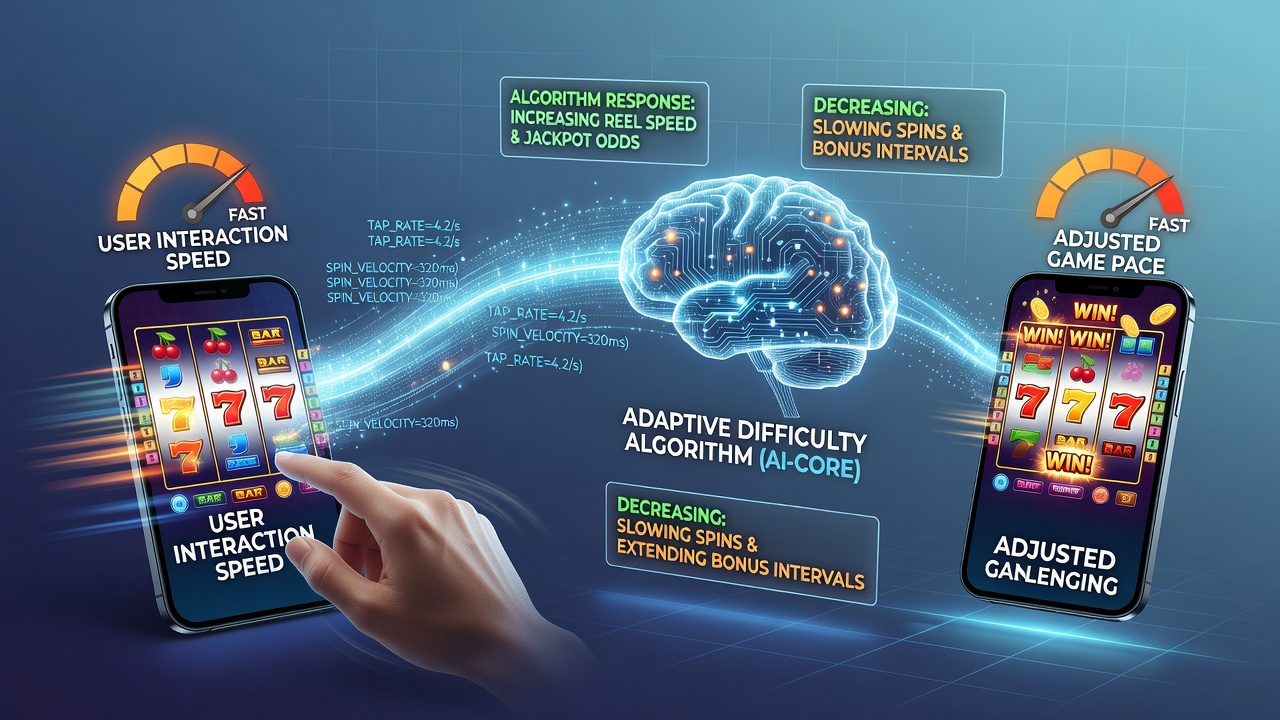
Analytics firms report that interaction speed distributions follow a normal curve in large datasets, with the median player operating at 2.7 taps per second during standard play, and deviations from this median prompt the system to shift multiplier tables accordingly. Figures from the Malta Gaming Authority demonstrate that titles employing speed-triggered adaptation recorded a 22 percent reduction in session abandonment rates compared with static difficulty versions during the 2025 testing window, and similar metrics emerged in Canadian regulatory reviews released in early September 2026. Those who've examined aggregated logs across European and Asian markets find that speed-based triggers appear more frequently in progressive jackpot slots than in fixed-prize variants, likely because the higher stake environment benefits from tighter pacing control.
Implementation Across Different Game Genres
Slot developers apply these algorithms differently depending on thematic elements, and action-oriented games tend to reward faster interactions with accelerated animations while classic fruit machine styles maintain stricter speed-to-difficulty mappings. Industry reports from the Asia Pacific Association of Gaming Regulators highlight that integration of adaptive systems requires compliance testing for fairness, with each speed bracket undergoing independent audits to verify that payout ratios stay within licensed ranges. Researchers at the National University of Singapore documented that players who alternate between high and low speeds within a single session experience hybrid difficulty states, where the algorithm averages velocity over the preceding 20 interactions before applying changes.
Device manufacturers contribute by supplying optimized APIs that reduce input lag, and this hardware-level support allows algorithms to react within one spin cycle rather than requiring multi-spin observation periods. Data indicates that battery optimization features on newer handsets sometimes throttle sensor polling rates, which indirectly affects the precision of speed detection and prompts developers to include fallback calibration routines.
Regulatory and Technical Considerations
Regulatory bodies require transparency reports that detail how interaction speed influences outcomes, and submissions to the Australian Communications and Media Authority in mid-2026 included sample code snippets showing velocity calculation formulas alongside payout adjustment tables. Engineers emphasize that these systems operate on the client side for responsiveness yet transmit anonymized speed aggregates to central servers for model refinement, maintaining separation between personal data and algorithmic inputs. Those monitoring industry trends observe that September 2026 updates introduced standardized testing protocols for speed-triggered features, which reduced cross-platform discrepancies in difficulty scaling.
Conclusion
Adaptive difficulty algorithms triggered by user interaction speeds represent a measurable evolution in mobile slot design, with documented effects on session metrics and regulatory compliance across multiple jurisdictions. Continued data collection from diverse device ecosystems supports ongoing refinement of velocity thresholds and adjustment rules, while maintaining adherence to established fairness standards.